

Chinese Buddhist funeral traditions offer profound insights into the nature of life and death. Through carefully observed rituals, these practices address the passage of the soul, emphasizing impermanence and rebirth rather than finality. The ceremonies combine chanting, offerings buddhist funeral packages, and symbolic acts that not only honor the deceased but also serve a deeper spiritual purpose. Understanding these customs reveals how they shape perceptions of mortality and community, inviting further exploration of their enduring significance.
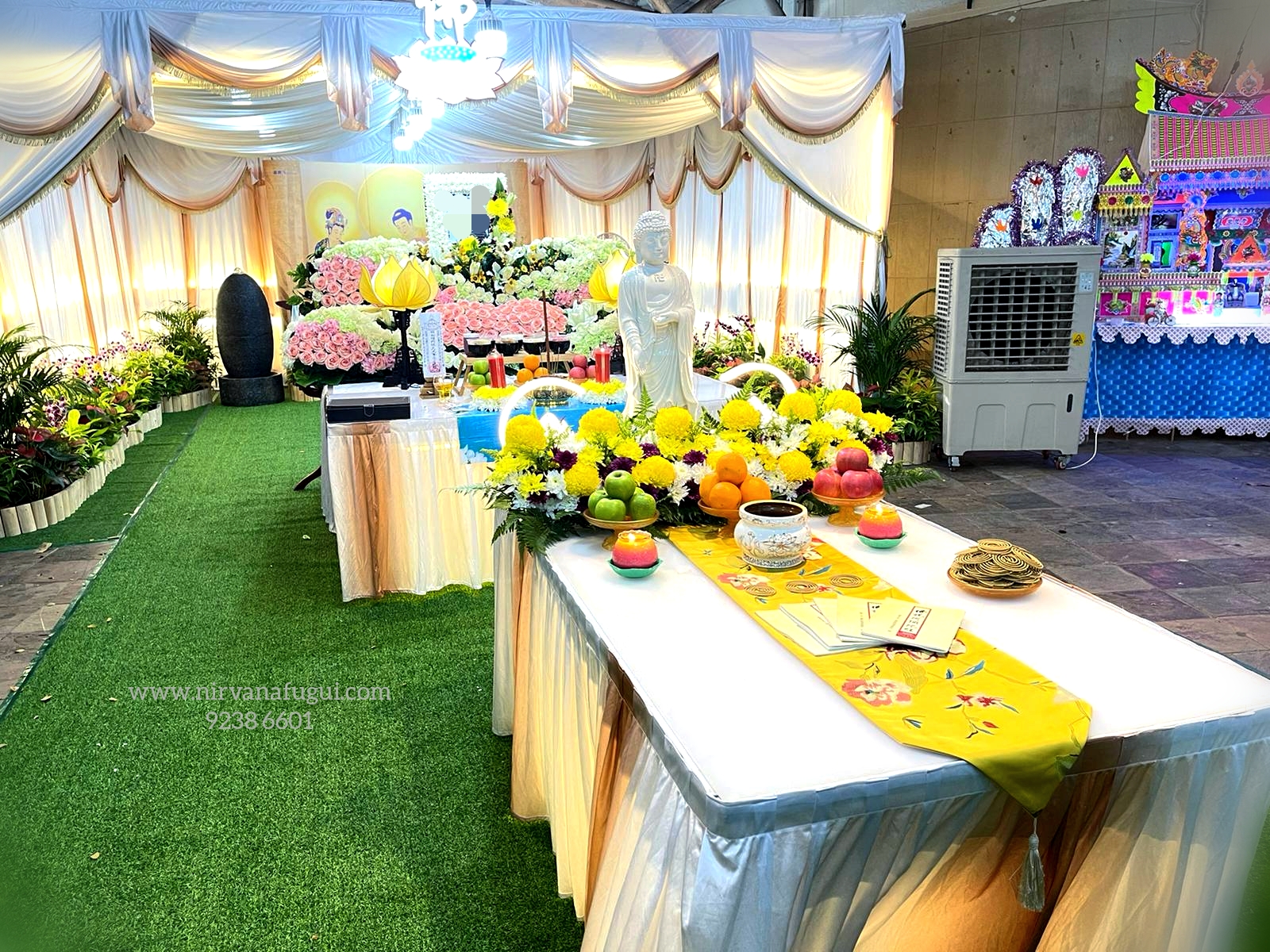
What Chinese Buddhist Funerals Teach About Life and Death
How do Chinese Buddhist funerals illuminate perspectives on existence and mortality? These ceremonies reflect a profound understanding of life’s impermanence and the cyclical nature of existence Hong En Life Funeral service. They emphasize detachment from the physical body while acknowledging the continuity of consciousness beyond death.
This perspective encourages acceptance rather than fear of mortality, framing death as a passage rather than an end. The rituals underscore the interconnectedness of all beings, highlighting karma’s role in shaping future rebirths.
Rituals That Guide the Soul’s Journey
Within Chinese Buddhist funerary practices, a series of carefully prescribed rituals serve to guide the soul through its passage from the physical world to the afterlife. These ceremonies aim to ease the soul’s passage, ensuring spiritual liberation and protection from obstacles.
Key rituals include:
- Chanting of sutras to invoke blessings and spiritual guidance
- Offering food and incense to nourish and comfort the departing spirit
- Burning paper money and symbolic goods to provide resources in the afterlife
- Performing merit-transfer ceremonies to improve the soul’s karmic standing
Each ritual reflects a deep understanding of impermanence and the soul’s journey, emphasizing freedom from suffering and attachment.
Together, they create a structured spiritual path that honors both the deceased and the living, fostering peace and transcendence.
How Chinese Buddhist Funeral Practices Guide the Deceased
Through a combination of symbolic rituals and spiritual guidance, Chinese Buddhist funeral practices carefully navigate the deceased’s passage from life to the afterlife. These practices emphasize releasing attachments and encouraging the soul’s smooth shift, often involving chanting sutras and offering merit.
Monks may perform ceremonies to protect the spirit from harmful influences, fostering liberation from suffering. The use of specific symbols, such as incense and paper offerings, serves to communicate with the spiritual domain, guiding the deceased toward enlightenment.
This structured approach reflects a belief in the continuity of consciousness and the importance of spiritual freedom beyond death. Ultimately, these practices provide a framework that respects individual release while honoring the interconnected journey between life, death, and rebirth.
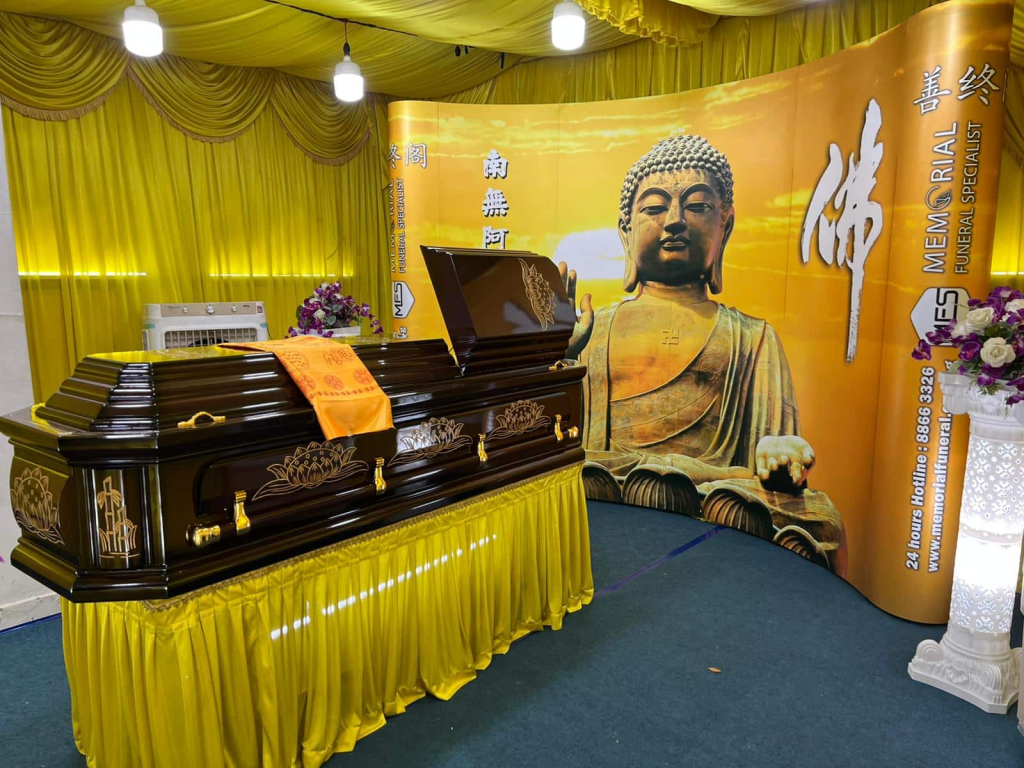
Ancestor Worship in Chinese Buddhist Funerals
Chinese Buddhist funerals not only focus on guiding the deceased’s spirit but also maintain a strong connection with ancestors through ritual practices. Ancestor worship plays a vital role, blending respect for lineage with Buddhist philosophy.
Rituals honor past generations, ensuring their continued presence and influence within the family. Common practices include:
- Offering incense and food to ancestral tablets
- Chanting sutras to invoke blessings and protection
- Performing merit transfers to benefit both the living and the deceased
- Displaying ancestral portraits during ceremonies
These acts affirm the bond between the living and the dead, emphasizing continuity beyond physical life. Ancestor worship in Chinese Buddhist funerals encourages a sense of freedom in spiritual responsibility, allowing families to actively engage with their heritage while embracing Buddhist teachings on impermanence and compassion.
Why Chinese Buddhist Funerals Bring Comfort and Community
By blending ritual, remembrance, and shared values, Buddhist funerals in China create a profound sense of comfort and community. These ceremonies offer a structured space where individuals collectively honor the deceased, easing the emotional burden through shared mourning.
The rituals provide continuity, linking past and present, reinforcing cultural identity and spiritual beliefs. Community members support one another, fostering connection and mutual respect, which counters isolation often felt in grief.
The emphasis on impermanence encourages acceptance, offering solace in the understanding that life and death are natural cycles. This communal experience empowers participants to confront loss with dignity, fostering resilience.
Ultimately, Chinese Buddhist funerals extend beyond mourning, serving as affirmations of life’s interconnectedness and shared human experience.
Conclusion
Chinese Buddhist funeral traditions intricately blend ritual, symbolism, and communal participation to honor the deceased and support their spiritual shift. Through chanting, offerings, and ancestor worship, these practices emphasize death as a passage toward rebirth rather than an end. By fostering acceptance and relieving attachment, they provide both solace and cultural continuity. Ultimately, these ceremonies affirm the interconnectedness of life, death, and community within the framework of Buddhist teachings and Chinese heritage.
Leave a Reply